
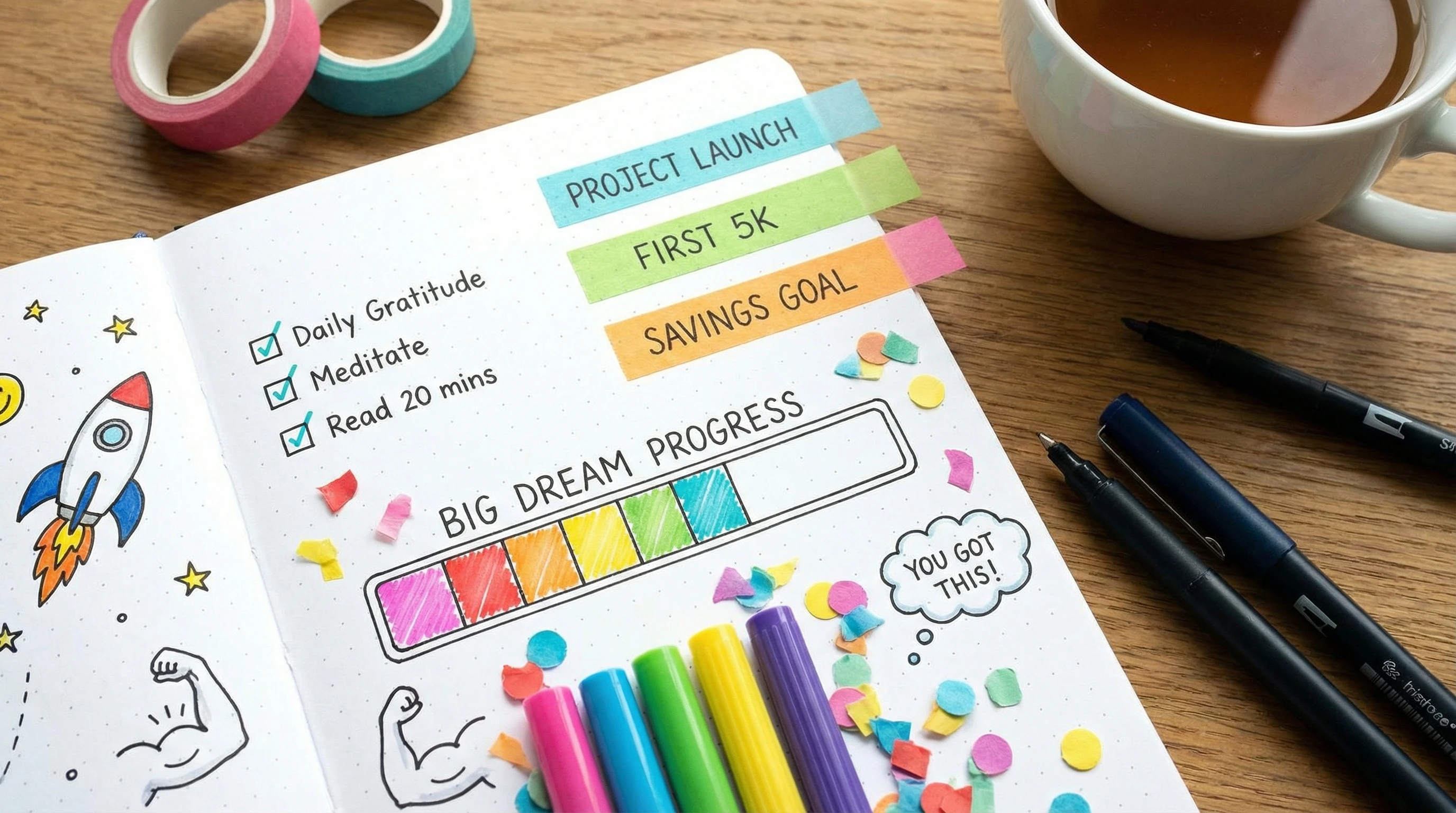
Maintaining Motivation Through Milestones: Practical Ways to Stay on Track
Keeping motivation high can be tricky, especially when working toward goals that take weeks or even months to achieve. I’ve noticed how easily enthusiasm fades once the excitement of starting something new wears off. But celebrating milestones along the way does far more than just break up the routine; it helps keep me moving forward, even on days when progress feels slow.
Using milestones as regular checkpoints turns a huge project or long adventure into smaller, doable steps. By spotting and celebrating each bit of progress, I’ve found it’s much easier to keep that fire going. Here’s how using milestones can make a difference, plus some down-to-earth tips for building them into your routine so motivation sticks around for the long haul.
Why Milestones Matter for Motivation
- Clear markers of progress. Setting milestones helps me see how far I’ve come—not just how far I have left to go. That sense of progress is really important for staying upbeat and focused.
- Regular boosts of confidence. Every milestone reached gives a little win. I always appreciate that boost, no matter how small the achievement is.
- Flexible and forgiving. Milestones are simple to adjust if plans change or if life gets in the way. Changing them isn’t a setback; it’s a chance to reflect and stay realistic.
- Helps avoid burnout. Recognizing progress along the way keeps me from feeling like I’m just spinning my wheels. It’s a super useful strategy for avoiding burnout and boredom.
How to Set Effective Milestones
Picking the right milestones is more than just splitting a goal into random chunks. I’ve found a few things really help make these checkpoints useful:
- Keep milestones specific. Instead of a vague goal like “get better at piano,” I’ll use a clear marker: “learn to play three new songs this month.”
- Make milestones bitesized. Smaller steps are less overwhelming and build momentum. I aim for milestones that are easy to track and can be reached in a week or two.
- Put milestones on the calendar. Assigning a date holds me accountable. Even if I miss it, having a timeline helps me see where a change is needed.
- Link milestones to rewards. Treating myself to something small when I hit a milestone, such as a favorite snack or an episode of a great show, makes the effort feel worth it.
Practical Ways to Track Your Progress
Use Visual Tools
Charts, graphs, and checklists aren’t just for planners or spreadsheets. A simple progress bar on a sticky note above my desk does wonders. Visuals make it much harder to ignore how much progress I’ve made, and they’re pretty satisfying to update.
Keep a Simple Milestone Journal
Writing down each milestone and jotting a quick note about how I reached it builds a sense of personal history. Reading back through those entries is great whenever I hit a motivation slump.
Share Milestones with Others
Telling a friend about upcoming milestones or posting about them online adds a level of gentle encouragement. Even when no one replies, just putting my progress out there makes me want to keep going.
Celebrating Wins: Why Small Rewards Matter
- Builds a habit of positivity. Every time I notice and celebrate a small win, I’m reinforcing the joy of progress instead of just waiting for a finish line.
- Prevents all-or-nothing thinking. Treating small milestones as real achievements helps me avoid feeling discouraged when the end goal still feels far away.
- Encourages consistency. Rewarding myself for steady effort—not just results—keeps motivation up and takes the pressure off being perfect.
One extra way I like to make rewards meaningful is to mix in a variety of treats, whether it’s a fun playlist, a tasty snack, or even picking up a new book. Switching up how I celebrate keeps things fresh so I don’t get bored or take those moments for granted.
Tips for When Motivation Slips
- Revisit your milestones. If I notice motivation fading, it often helps to break milestones down even more. Sometimes a small tweak makes the next step feel more doable.
- Look back at previous milestones. Remembering how much I’ve already done helps me get over that “stuck” feeling.
- Bring in some fun. Mixing up the way I track or celebrate milestones can keep things interesting, like using new stickers, apps, or swapping out what I do for a reward.
Frequently Asked Questions
Q: How small should my milestones be?
It depends on your goal and your schedule. I find that one or two milestones per week works well for most projects, but sometimes breaking a task down by day makes progress easier to spot.
Q: What if I keep missing milestones?
Missing milestones is common! I usually view it as a chance to check if I set timelines that were a bit too ambitious, and I just tweak my plan instead of stressing out.
Q: Can milestones work for big lifestyle changes?
Absolutely. Whether I’m trying to save money, build a new habit, or take on a big creative project, milestones help split up the adventure so I can celebrate progress from the start.
Share Your Milestone Moments
Recognizing every step you take may sound like a small thing, but it’s a really important way to stay motivated. If you’re giving milestones a try, I’d love to hear how you track your progress or celebrate each win. Every bit counts, and sharing your story might just inspire someone else to keep moving forward, too. Remember, keeping an eye out for those small wins adds up to big progress over time. Let’s keep cheering for every step along the way.